Ecco cosa è successo il 24 Aprile 2013: 1133 persone sono morte e molte di più sono rimaste ferite durante il crollo del Rana Plaza, in Bangladesh.
Tale edificio di 8 piani ospitava varie fabbriche di abbigliamento soprattutto fast-fashion in cui lavoravano a ritmi disumani e in mancanza di norme di sicurezza, tutte queste persone schiacciate dalle macerie dell’edificio durante il tragico evento. L’avviso di sgomberare l’area per evidenti segni di cedimento strutturale, era stato ignorato dai proprietari delle industrie.
Il crollo del Rana Plaza è considerato il più grave incidente mortale avvenuto in una fabbrica tessile, nella storia moderna.
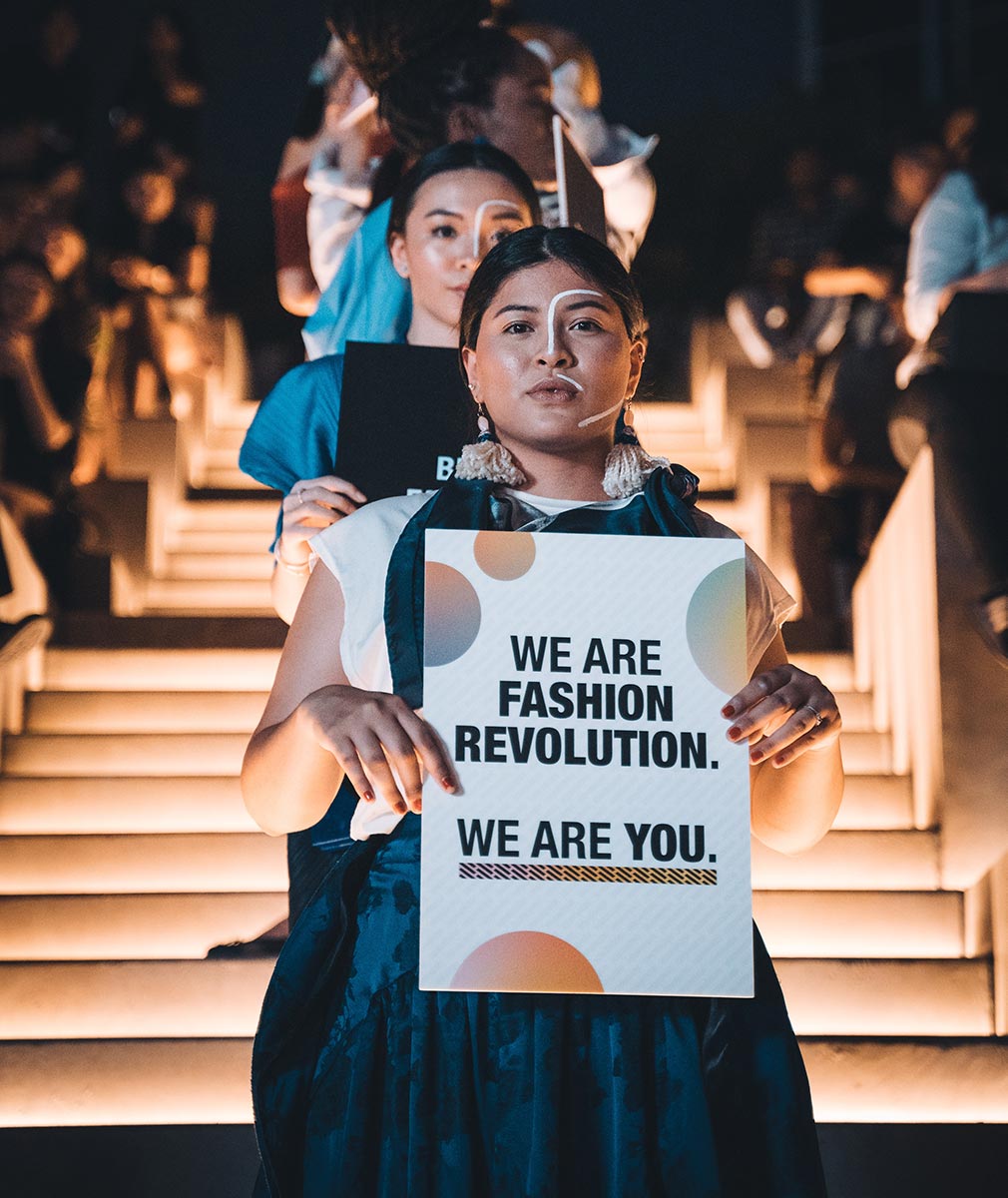
Tale tragedia ha ispirato la nascita di Fashion Revolution, un’organizzazione no-profit fondata dalle designers Orsola del Castro e Carry Somers e dedicata alla moda etica e sostenibile.
Un movimento partito dalla Gran Bretagna (diventato poi globale) che muove le persone ad essere più informate su ciò che c’è dietro ai vestiti che indossano, perché i consumatori sono i primi ad avere il potere di un cambiamento positivo.
La missione di Fashion Revolution è quella di trasformare radicalmente l’industria della moda in una industria capace di rispettare i diritti umani e l’ambiente in tutte le fasi del ciclo produttivo.
Le domande che dovremmo porci prima di acquistare un capo a basso prezzo sono: “Che impatto ha sull’ambiente? Chi lo ha cucito? CI sono leggi che tutelano queste persone?”
Dunque attraverso la campagna social #whomademyclothes è possibile chiedere ai brand più trasparenza, facendosi un selfie indossando il capo di abbigliamento al contrario e l’etichetta ben visibile.
Tale simbolo è diventato ora espressione di “lotta” contro la fast-fashion.
“Siamo coloro che indossano i vestiti, ma siamo anche coloro che li fanno”.
Questo è il motto del movimento.